
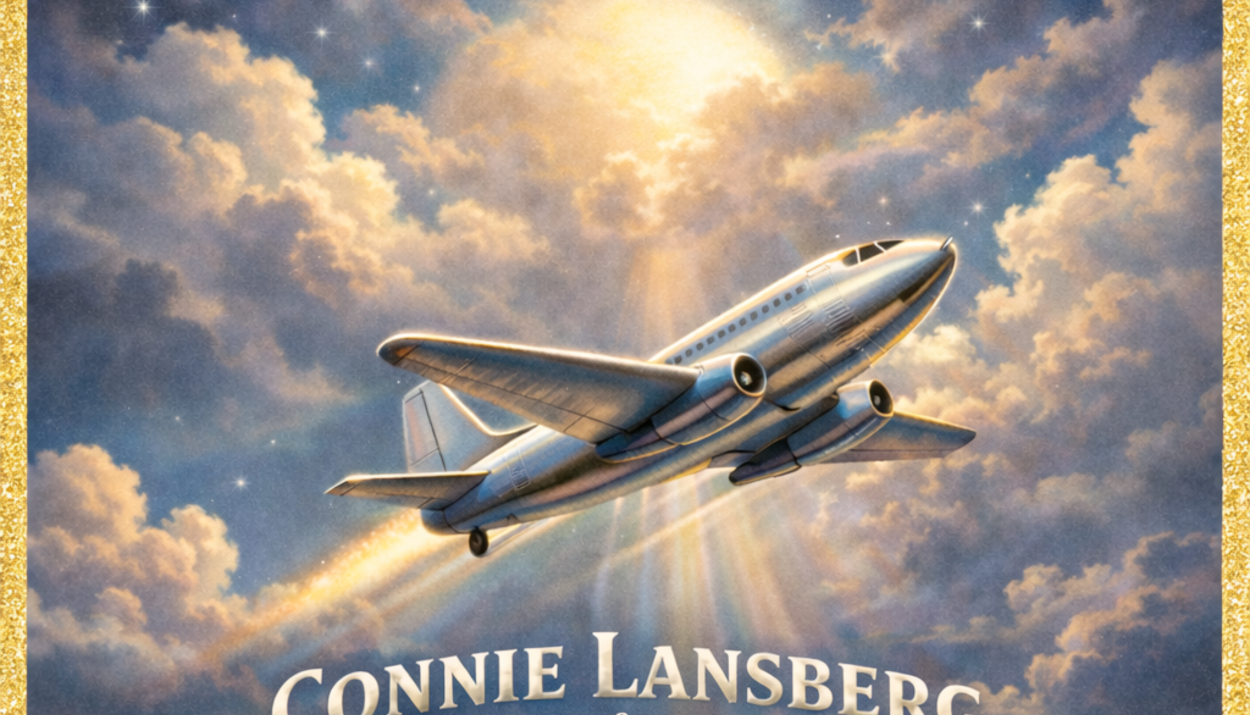

Based in Melbourne, Connie Lansberg is a jazz vocalist and songwriter whose work has reached audiences far beyond her local scene. While her voice has touched millions around the world, her strength lies in her ability to evoke emotion. She makes each song feel personal, honest, and deeply human. In her album ‘Aeroplane’, she offers a special experience: an album that feels intimate yet expansive enough to carry you somewhere new.
This album was recorded live in one day in Pasadena with guitarist Brad Rabuchin, the last guitarist to tour with Ray Charles. That detail is important because you can hear the trust and musical understanding in every note. There are no overdubs or retakes; just one room, two musicians, and the truth of the moment. This approach gives the album a natural rhythm. It breathes and listens. It flows like a real conversation.
Lansberg’s vocals are the heart of the album. She sings with warmth and clarity but never sounds forced. She knows how to lean in or pull back. Her voice can be tender, wise, fragile, and strong, often all at once. Rabuchin’s guitar complements her perfectly. The instrumentation is simple but never empty. Every chord and every pause is significant. This duo format allows the songs to shine, and that openness adds to the album’s impact.
“Aeroplane,” the title track, is one of the most moving on the album. It uses flight as a symbol of identity, memory, and freedom. The line “I forgot who I was for such a very long time” carries deep emotional weight, while the image of having “wings” makes the theme of loss personal and spiritual. As the singer observes “the aeroplanes and the butterflies,” the song unfolds as a quiet search for wholeness. Lansberg sings it like someone rediscovering herself in real time. It is gentle, reflective, and moving.
“Broken Doll” is a deep song about loss, neglect, and compassion. The image of a broken doll by the window is simple but carries profound meaning. The singer sees not just an object but a wounded life. Lines like “Let me take you home and wash your hair, you can be repaired” add tenderness to what could feel like a bleak song. Instead, it carries a sense of humanity. Lansberg infuses the song with a soft sadness that strengthens its message. It discusses damage but also care.
“Everything Ends Up in the River” is one of the darkest songs on the album, evoking a folk story with a shadowy undertone. The repeated line “Everything ends up in the river. Your trash, your litter, and your lies provide a strong, unforgettable core. The river becomes a space where guilt cannot remain concealed. The story builds slowly, creating a sense of dread. Lansberg handles the material with control, allowing the story to speak for itself, which makes it even more chilling.
“Heart of Stone” is a lovely song that explores self-protection and love’s quiet strength. The stone heart symbolises hardness, defense, and emotional distance, while a “heart of water” appears to soften everything. This idea is beautifully expressed. The song shifts from firmness to surrender, from caution to openness. Lansberg sings it with calm grace, matching the message perfectly. It explores transformation without loss of self.
“Starlight and Gold” contains images of fire, loss, and fading memory. The world feels unstable, and the song reflects this through lines about burning away and love leaving only traces. The contrast between “wide-eyed innocence” and damage adds emotional depth. Lansberg discovers beauty in sorrow, displaying her strength as a singer and writer. The song has a cinematic quality while remaining intimate. It is sad but not cold; it radiates warmth.
“The Way to You” addresses change, healing, and compassion. The seasonal imagery is particularly strong: “Leaves fall like tears, leading into winter. Leading me home, leading me to you.” This opening sets the emotional tone right away. The song shifts toward connection, and the line “We must build a bridge with our compassion” hits with sincerity. This is one of the most hopeful moments on the album. Lansberg sings it with quiet belief, and the guitar complements that feeling.
“You Don’t Know Me” is one of the most intimate songs on the album. It feels like an inner dialogue, almost like one self speaking to another. The repeated theme of not being seen or known gives the song a lonely, haunting quality. Yet it also leads to deep empathy, especially in the lines “I feel you,” “I see you,” and “I am you.” That shift is powerful. The song starts in separation and concludes with shared feelings. Lansberg’s delivery is especially effective here; she conveys both distance and closeness.
“What Was Made For” is quietly powerful. It raises tough questions about identity, purpose, and emotional numbness. Lines like “I used to know, but I’m not sure now” and “I don’t know how to feel, but I wanna try” sound honest and vulnerable. There is no false certainty here, which makes the song compelling. It refrains from providing answers and dwells on the question of “what was I made for?” allowing that uncertainty to breathe. Lansberg transforms doubt into something beautiful.
Aeroplane succeeds due to its flow. The songs don’t feel rushed or packed. They unfold like chapters in one larger emotional journey. There is a natural progression from loss and uncertainty to reflection, compassion, and self-recognition. Even when the subject matter is painful, the album never feels overly heavy. It feels alive.
The live production is a significant strength of the album. Since it was recorded in a single day, the freshness of the performance shines through. The sound is clear, open, and honest. There is no polished gloss over the songs. This choice gives the album character and allows Lansberg’s voice to stand out. Rabuchin’s guitar supports the music without overpowering it; it listens, interacts, and enriches the songs carefully. The result is intimate yet rich, simple but full.
This album stands out because it values emotion over decoration. It embraces silence, space, and the human voice. Connie Lansberg doesn’t need to force emotion into her songs. She possesses it naturally and knows how to express it. “Aeroplane” is a graceful, moving record that prompts us to remember who we are, what we have lost, and what we can still become. It is tender, thoughtful, and deeply real.
Listen to the “Aeroplane” album on Spotify
Follow Connie Lansberg here for more information