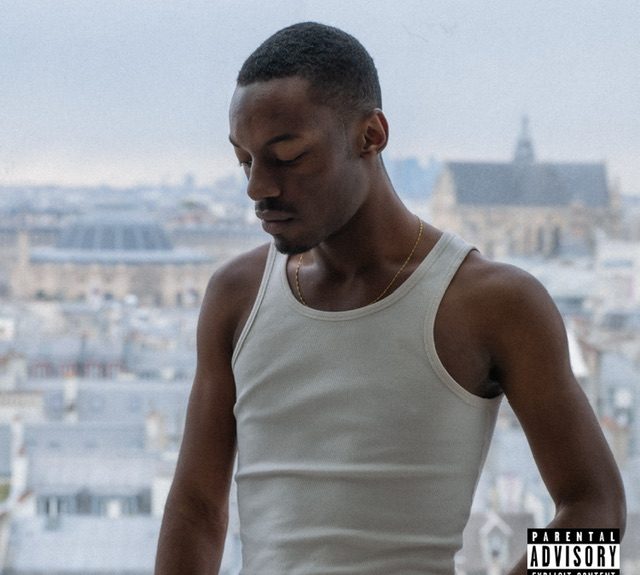
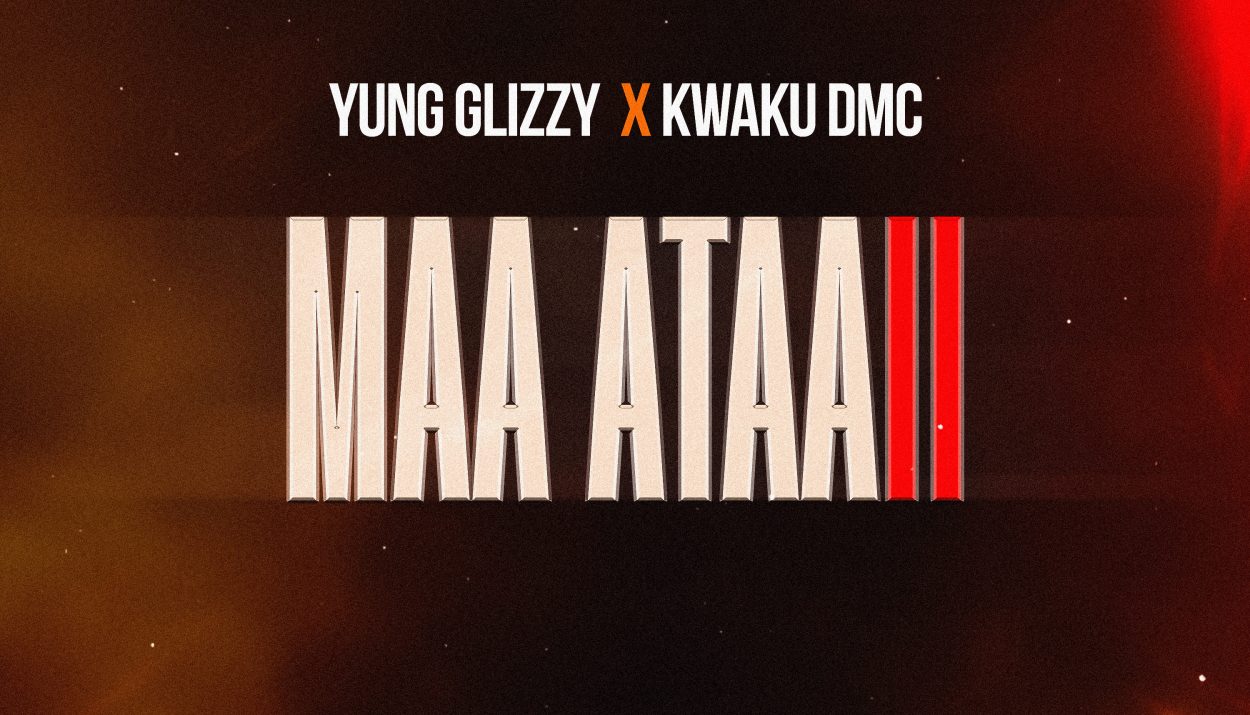

Music often introduces us to new voices, but every once in a while, an artist arrives with a familiar and exciting presence. Yung Glizzy is one of those artists. Born Gilbert Gyamfi Adjei, he represents a new generation of creatives who live between cultures and transform that experience into sound. With roots in Ghana and a European-influenced mindset, his music carries rhythm, grit, and melody in equal measure. Standing beside him on “Maa Ataa” is Kwaku DMC, a respected voice in Ghana’s drill movement. Known for his sharp lyricism and commanding delivery, he brings credibility and energy to any record he touches. Together, they don’t just collaborate on this track—they build a moment.
“Maa Ataa” immediately establishes its mood from the very first beat. The track’s theme feels emotional yet confident, like a conversation wrapped inside a street anthem. It carries the spirit of Afro-drill but leans into something more melodic and personal. The title itself suggests a story rooted in connection—whether it represents love, admiration, or a symbolic figure, the song carries a tone that blends affection with reflection. Instead of sounding distant or overly polished, the emotions feel genuine. That authenticity becomes one of the track’s biggest strengths.
Yung Glizzy approaches the record with a controlled and expressive delivery. His vocals carry a smooth tone that sits perfectly on the instrumental, allowing the song’s emotion to come through without sounding forced. In the verses, his flow moves naturally between rhythmic drill cadences and softer melodic phrasing. This balance shows an artist who understands how to use space in a song. He doesn’t rush his lines; instead, he lets the beat breathe while his words land with clarity. What stands out most is the honesty in his performance. There’s confidence in his voice, but there’s also vulnerability. That contrast keeps listeners engaged because it feels real rather than rehearsed.
When Kwaku DMC steps in, the energy shifts instantly. His voice has a sharper edge, creating a dynamic contrast to Yung Glizzy’s smoother delivery. The transition feels intentional, almost like a second act in the song. His verse carries intensity and rhythm, riding the beat with the precision that fans of Ghana’s drill scene recognize immediately. Yet he never overwhelms the track. Instead, he complements the foundation that Yung Glizzy builds. It’s the kind of feature that strengthens the record rather than stealing attention from it. Both artists hold their ground, which makes the collaboration feel balanced and natural.
One of the most impressive aspects of “Maa Ataa” is the chemistry between the two artists. Their flows differ in texture but align perfectly in timing and rhythm. Yung Glizzy leans toward melodic storytelling, while Kwaku DMC delivers punchier bars. The contrast creates movement throughout the song, preventing it from sounding repetitive. Each verse feels like a continuation of the same story, just told from a different angle. That sense of musical conversation makes the track memorable.
The production plays a major role in shaping the identity of “Maa Ataa.” The instrumental blends Afro-drill percussion with melodic layers that soften the beat’s edges. The drums carry the familiar bounce of drill, but the additional melodic elements give the track emotional depth. Subtle synths and atmospheric tones float behind the rhythm, adding texture without distracting from the vocals. The bass remains strong but controlled, providing weight to the beat while allowing both artists to shine. This balance between rhythm and melody is what gives the song its distinctive character. Instead of sounding like a typical drill record, it feels like a hybrid—something global, something personal.
“Maa Ataa” works because it doesn’t try too hard to impress. The song allows the music and emotions to lead the way. Yung Glizzy brings sincerity and melody, while Kwaku DMC injects energy and lyrical sharpness. Together, they create a track that sits comfortably between Afro-drill intensity and melodic storytelling. It’s the kind of song that can resonate on the streets, in headphones, or on stage. If this release is a sign of what Yung Glizzy has planned for the future, then his rise is not just possible—it’s inevitable. And with collaborations like this, the journey will only become more exciting.
Listen to “Maa Ataa” on Spotify
Follow Yung Glizzy here for more information