
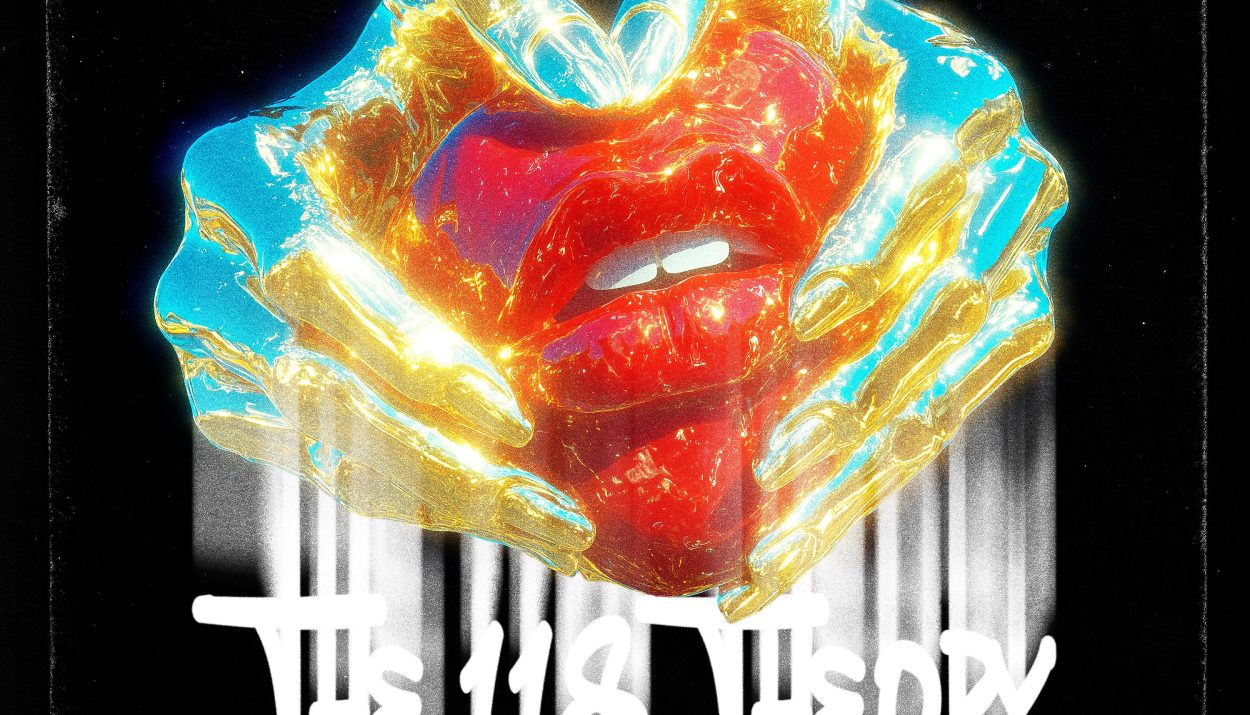

Meet Tracey Stevens, also known as Blue Flame Hughes. He’s an artist shaped by movement, memory, and meaning. Blue Flame, who was born in Galveston, raised in Beaumont, and grew up in San Antonio, is a restless soul who understands that home is more about emotion than place. He purposefully put every mile he has walked, every defeat, and every victory into his music. Tracey Stevens raps to express his truth rather than to make an impression. His voice is full of experience-based knowledge. His lyrics are reflective without being preachy, and his presence feels grounded in grace. To me, “118 Theory” isn’t just an album; it represents a mindset; it transports the idea that even the most ambitious goals may be surpassed by self-confidence fueled by difficulty.
The album begins with a mission statement. The positive, reflective words of “Victory (intro)” create a strong atmosphere. Hughes explains the 118 Theory’s guiding principle, which is self-belief in the face of huge obstacles. The beat has a cinematic quality to it, like the beginning of a story. This is confidence gained with experience, not pride.
Raw and gritty, “HammerTime” shows Hughes at work. The hard-hitting drums create a relentless flow. You get drawn in by the music, and your head begins to nod uncontrollably as the beat ripples. This song conveys self-control, diligence, and perseverance, even when the odds are against you. Hughes sounds like someone who has already experienced the worst—hungry, driven, and unmoved.
In “Reckless,” Hughes embraces vulnerability. He explores choices made in survival mode—decisions that weren’t always perfect but were necessary. The production sounds slightly chaotic, reflecting the emotional tension in the lyrics. His delivery balances regret with acceptance without sounding apologetic.
“The Tone (The CountDown City Anthem)” featuring Ant Fisher is a tribute to the city. San Antonio pride shines through every lyric. Ant Fisher enhances Hughes’s confident presence, creating a communal anthem. The hook is bold, the beat is strong, and the message is clear: this city shaped the man.
“Still (Himmy Duncan)” is calm and reflective. Hughes continues endurance and how he keeps growing, believing, and standing tall. Yung Joddge lends an emotional depth to this track, and the chemistry between him and Hughes feels natural. The lyrics are able to resonate, thanks to the song’s soulful beat.
“You” equally draws attention within and outside. This song feels personal, possibly touching on love, loyalty, or reflection. Here, Hughes shows emotional variety while retaining power by softening his voice. It’s intimate without being fragile.
“Company,” the seventh track, explores relationships and the vitality that individuals bring into your life. Hughes’s steady flow and the slow but fluid beat convey the knowledge that comes with experience. This track feels like advice shared by someone who has learned the hard way.
“Gigolo Jak (Interlude)” offers a brief but effective moment of personality and storytelling, adding character to the album. It breaks the pace while reinforcing themes of identity, perception, and persona.
“Pull Up,” featuring Yung Joddge, brings back momentum. This track is confident, assertive, and ready for the streets. The chemistry between Hughes and Yung Joddge is undeniable, and the beat hits with purpose. It’s about showing up fully and unapologetically.
Next, “Fear (The Face Off)” delivers one of the album’s most powerful moments. Hughes confronts fear head-on—fear of failure, fear of loss and fear of self-doubt. His delivery is intense yet controlled, matching the dramatic production. This track feels like a pivotal moment.
“Hey Mama” is heartfelt and grounded, a sincere ode filled with gratitude and love. Hughes strips things down emotionally, allowing sincerity to shine through. It reminds us that behind every journey is someone who believed first.
Showcasing pure skill, “Flow State Freestyle” features Hughes at his best. He flows effortlessly, riding the beat with confidence and creativity. This track emphasizes that, beyond the message, Hughes can truly rap.
“Heights” addresses elevation, whether mentally, spiritually, or professionally. The uplifting beat reflects Hughes’s reflective yet optimistic tone. This is music about growth, centered on vision and progress.
With big energy, “Stadium Status (Lucid Dreams)” feels aspirational and expansive, blending dreamlike production with confident lyrics. Hughes envisions the future while staying grounded in the present. The contrast is effective.
The album concludes with gratitude and triumph in “Standing Ovation.” This final track feels like a curtain call, acknowledging the journey, pain, love, and victories. Yung Joddge contributes to the celebratory yet reflective tone. It offers a satisfying, full-circle ending.
“118 Theory” is purposeful from start to end. The sequencing tells a story, the production provides strength, and Blue Flame’s voice serves as narrator and survivor. He knows when to let a line breathe and when to increase the pace. The album’s emotional terrain is reflected in the fluid transitions between contemplative serenity and aggressive strength.
In terms of production, the project honors its origin while staying firmly grounded in contemporary hip-hop. It has snappy rhythms, soulful undertones, melancholy synthesizers, and atmospheric layers that let the vocals take center stage. It doesn’t feel crowded. This music knows how to use space.
All things considered, “118 Theory” embodies the spirit of an artist who understands himself. Blue Flame Hughes exposes his truth rather than looking for approval. His voice is deliberate and steady. His performances feel real rather than staged, and his flow changes without losing its character. Instead of overpowering the story, the production enhances it, resulting in a seamless, absorbing experience. This album inspires us to reflect, grow, and build self-confidence.
Listen to the “118 Theory” album on Spotify
Follow Blue Flame Hughes here for more information.