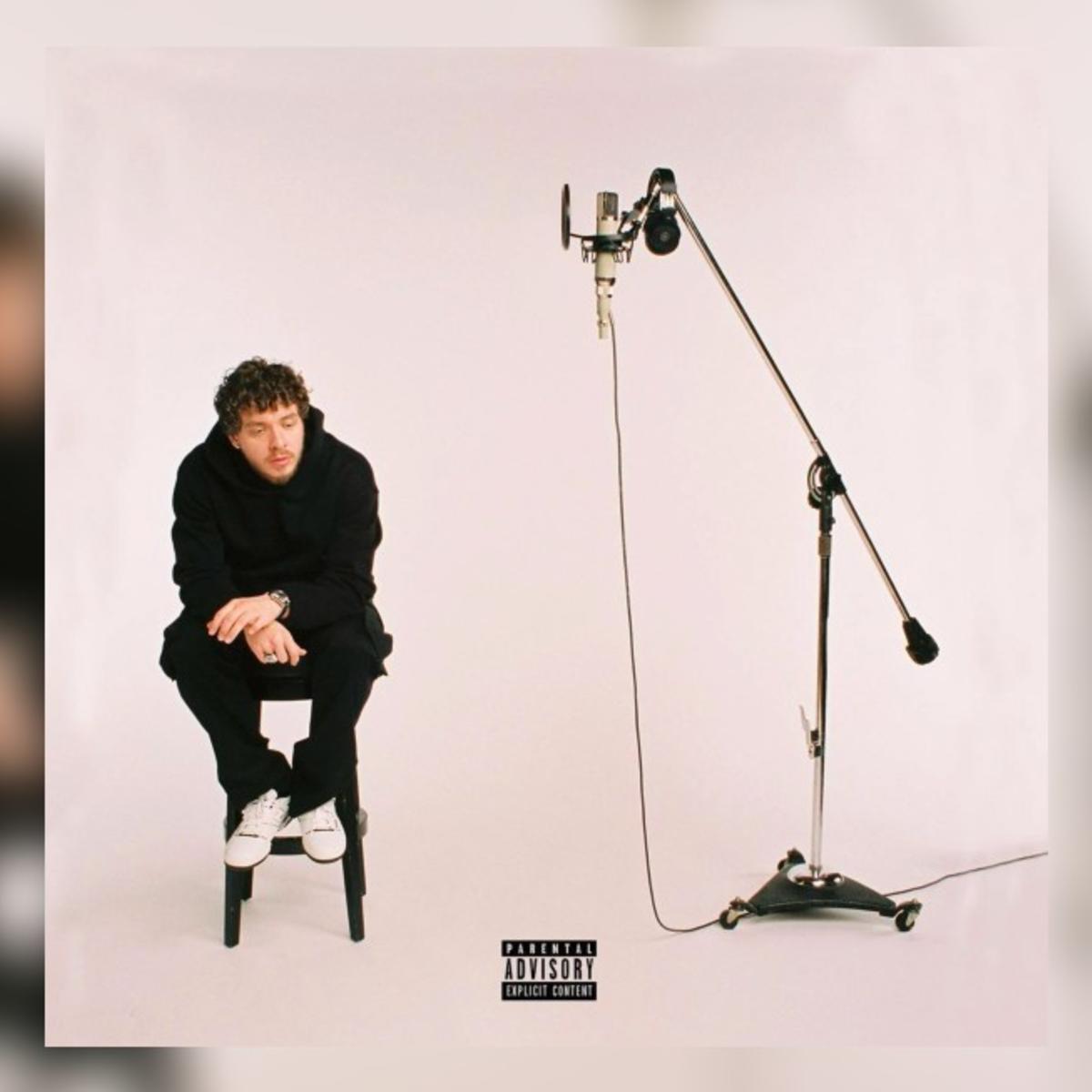


Eoin Shannon deserves a proper introduction, not the polite kind that gets lost in the noise, but the kind that leans in, lowers the lights, and makes room for the man and the music. First heard here with “Highs & Lows” in September last year, Shannon now arrives with the full force of an artist who knows exactly what he wants to say and exactly how to make it linger. Hailing from Cork, Ireland, he brings the soul of a storyteller, the ache of a confessional singer, and the poise of someone who understands that a great song does not simply play — it confesses, bleeds, and stays with you. “Every Drunk’s Gotta Story” feels like a candlelit set in a late-night bar where every table has a memory on it.
Rich with collaboration, this latest album shows Eoin at the peak of his artistry, harnessing a unique vibe. The album opens a door into a world inspired by the dusky elegance of Tom Waits and the timeless phrasing of Frank Sinatra, yet Shannon never sounds borrowed. He sounds inhabited. His voice carries a weathered warmth: haunted, intimate, and emotionally direct. He does not oversing. He lets the emotion do the heavy lifting. That control gives the record its power. When he reaches for tenderness, it feels earned. When he leans into heartbreak or bitterness, it lands with the weight of a truth someone has tried and failed to forget. Track by track, the album moves like a night out that becomes a reckoning. Keep on reading my thoughts.
“Sweetheart Candy Lovin” opens the door with a sly grin. Beneath its sweet title is a song about attraction with a sting in it, the kind of romance that looks playful from a distance but carries danger up close. Shannon sounds amused, wary, and fully awake to the game being played. It is a sharp opening statement because it suggests the album will not deal in clean love songs or simple heartbreak. Aside from its compositional and lyrical beauty, one feature of the song that needs special note is its production, which allows listeners to hear every piece with the greatest clarity.
The album’s second track, “Game Night In Hell,” darkens the room immediately. The title alone tells you this is a relationship or social scene built on tension, competition, and emotional damage. The song feels like it lives in the space between banter and betrayal. Shannon’s delivery here likely thrives on irony, making the pain sound almost routine, which makes it hurt more. In the end, this is a heartfelt tune with raw, genuine vocals and a beautiful musical backdrop.
“Bartender” is one of the album’s natural centers. It is the kind of track that turns a supporting character into a witness, a confidant, and perhaps the only honest person in the room. The bartender becomes a keeper of secrets, and Shannon uses that frame to explore loneliness, confession, and the rituals of staying one drink ahead of reality. This is where his vocal storytelling really shines: he sounds like he knows exactly how much to reveal and how much to leave unsaid. As rewarding as his vocals are, it is intriguing to see how he paired with another artist. Their vocals were in perfect sync.
“Puppetmaster” shifts the album into control, manipulation, and the uncomfortable feeling of being pulled by invisible strings. Whether the song addresses a lover, a system, or the darker part of the self, it lands as one of the album’s more psychologically charged moments. Shannon’s performance should feel tight here, the vocal equivalent of a string pulled tight. Thanks to its stripped-down simplicity, this song becomes an intimate and mellower experience that captures its essence.
“Pull Up A Stool” is pure barroom theater in the best sense. It feels like an invitation, but also a warning: sit down, listen carefully, and be ready for what comes next. This is one of the tracks to capture the album’s central mood—community shaped by damage, warmth laced with exhaustion. It is easy to imagine the arrangement leaning into the album’s lounge atmosphere here, with a relaxed groove hiding serious emotional weight. The vocals are done and left me singing along softly after a listen or two. Also, the elements come together quite well, all thanks to a great mix and master that makes for a pleasant listen.
“Free My Soul” opens the album outward. After the confined spaces of bar stools and controlled games, this track sounds like a plea for release, redemption, or both. It is the kind of song that can become the emotional lift of the record without losing its grit. Shannon’s strength is that he never makes freedom sound effortless; he makes it sound earned. This is an awesome composition from Eoin Shannon. He has shown a high bar of creativity and artistry. I certainly suggest this track to everyone, since it’s truly a great find that will leave you in delight.
“Jezebel” brings in one of the oldest archetypes in popular song and gives it new shading. Rather than flattening the subject into blame, the title suggests fascination, temptation, and the danger of desire. The best version of this track is not moralizing; it is observing. Shannon’s delivery likely makes the character feel vivid, complex, and impossible to reduce to a cliché. While listening to the song, one can clearly hear features of good music; Shannon’s unique aesthetic and originality show through in every note.
“Let’s Get The Hell Outta Town” feels like motion after too much stillness. It is the album’s escape hatch, full of impulsive energy and the desperate hope that distance might fix what honesty could not. This track gives the record a surge of momentum and is one of the most immediately memorable moments on the album. It’s an experience that will have you grooving along to the beat from start to finish, tapping your feet and nodding your head.
“Ghosts Of Yesterday” is where the album turns reflective. The title suggests memory as haunting, and the song becomes one of the album’s more emotionally resonant pieces. Shannon seems especially suited to this kind of material because his voice carries history naturally. He sounds like someone who remembers too much and still feels the weight of it. The vocals sound so good, and they perfectly blend the melody of the song, making it sound richer and nicer.
The album’s tenth track, “Love Isn’t For Everybody,” is a hard truth delivered with noir-style elegance. It is the kind of line that could sound cynical in lesser hands, but in Shannon’s world, it feels wounded rather than dismissive. This track explores the limits of intimacy, perhaps the pain of exclusion, and the fear that some people simply do not know how to stay. It lands as one of the album’s most quietly devastating statements.
“There’s A Storm Coming” raises the tension again. This feels like a warning song, heavy with anticipation and emotional weather. It speaks to conflict, consequence, or the sense that some collapse cannot be avoided. Musically, it is easy to imagine the arrangement tightening here, with the instrumentation gathering force under Shannon’s voice.
“Pour Me Some Unconditional Love” may be the album’s most elegant title, because it fuses the language of the bar with the deepest emotional need on the record. It is clever and heartbreaking. The song captures the central contradiction of the album: people ask for love in the language they know, even when they are too wounded to say it plainly. This is a title made for Shannon’s style of delivery—world-weary, sincere, and just theatrical enough to sting.
“Last Call For The Broken Hearted” sounds like the closing scene of a film. It suggests final drinks, final chances, and the strange solidarity of people who are still standing when the night is nearly over. As an ending, it feels ideal: not neat, not redemptive in a tidy way, but honest. The album does not pretend that every wound closes. It simply gives those wounds music, rhythm, and dignity.
What I admired most about “Every Drunk’s Gotta Story” is that it trusts mood without neglecting craft. Shannon knows how to build a world, but he also knows how to keep it human. His vocals are the anchor: expressive without excess, dramatic without losing warmth, and roughened just enough to feel lived-in. He sounds like a man who has listened to the old masters, learned the value of phrasing, and then decided to tell his truth anyway.
My experience listening to the album from start to finish was like sitting in the corner of a late-night lounge where every table has a story and every story has a bruise in it. It left me with that rare feeling a strong concept album can give: not just that I heard a collection of songs, but that I spent time inside a fully imagined emotional world.
Eoin Shannon should be welcomed back loudly, because this album proves he is not just following up on “Highs & Lows.” He is expanding the map. He sounds like an artist who understands that the finest stories are often told at the end of the night, when the voice is softer, the truth is louder, and nobody in the room is pretending anymore. The album is just a work of art by the genius Eoin Shannon. His songwriting skill is just incomparable, and it is highly recommended to listen to the album.
Listen to the “Every Drunk’s Gotta Story” album on Spotify
Follow Eoin Shannon on Instagram