
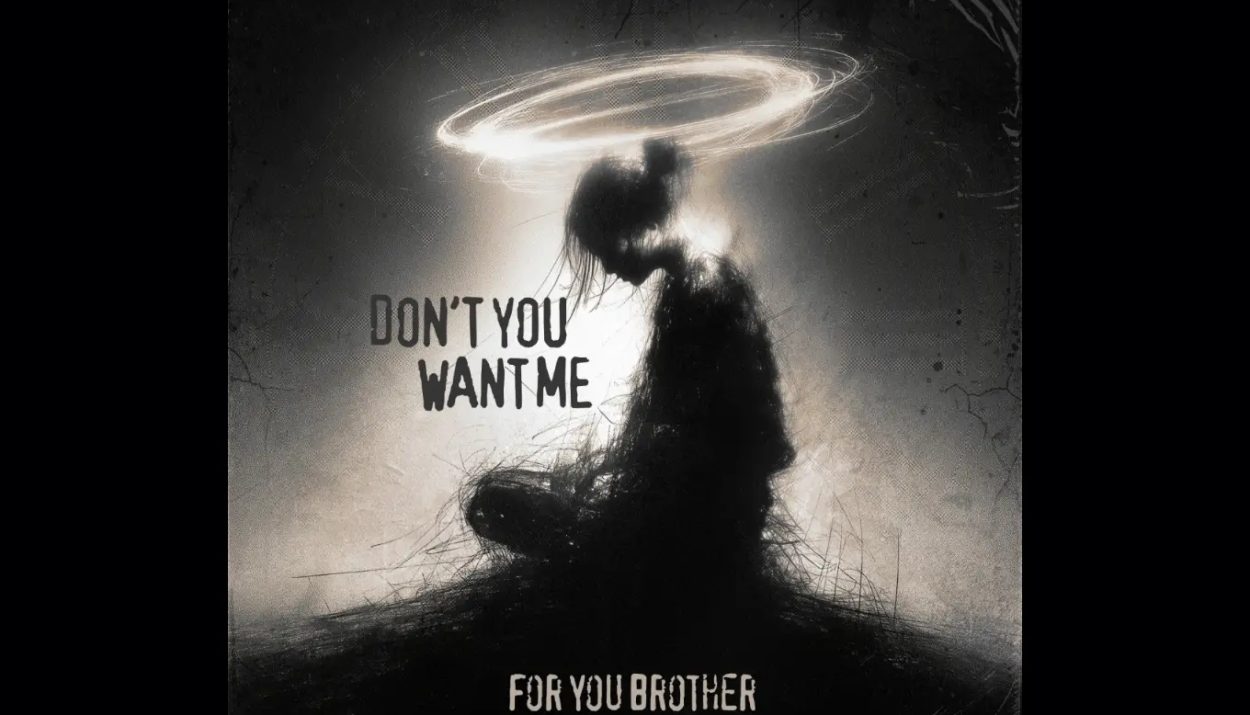

For You Brother arrives with a presence that does not ask for attention but grabs it. Based in Aiken, South Carolina, Azoghn and Jon Dash form a duo with real chemistry. This connection comes from deep creative trust and a shared obsession with making music that feels alive. Their sound draws from legends like Lenny Kravitz, Van Halen, Jimi Hendrix, The Time, and Prince, but this is not imitation. It is a bold mix of classic rock grit, pop-rock polish, and soulful performance energy that gives their music a unique identity.
Another feature on our blog, For You Brother is a duo with heart, strength, and a keen ear for melody. Their album, Don’t You Want Me, is filled with attitude, emotion, and musicianship. It feels refined and personal, created in a home studio yet delivered with the confidence of a band that knows what it wants to express. The result is an intimate album that never feels small. Let’s do a track-by-track exploration.
The title track, “Don’t You Want Me,” opens the album with swagger and tension. It feels like a statement track built on desire, push-and-pull energy, and a hook that sticks with you. The theme centers on wanting connection, recognition, or reconciliation, but with a challenging edge rather than softness.
The next song, “I Tried To Be Strong,” turns more inward. This song reflects on emotional endurance, the strain of holding it together, and the struggle between pride and vulnerability. The performance carries significant weight here, with Azoghn’s vocal delivery adding real emotion.
“I Can’t Breathe” stands out as one of the most emotionally heavy tracks on the album. Whether interpreted literally or figuratively, the title suggests pressure, overwhelm, and feelings of being trapped by emotion, conflict, or circumstances. This track hits hardest when the band pulls back just enough to let the emotion resonate.
“Shattered Halo” feels poetic and dramatic. The title hints at broken innocence, lost idealism, or a fall from grace. Musically, it balances beauty and pain, with guitars and vocals working together to create a hauntingly beautiful song.
“Back Home Again” shifts toward reflection and return. It’s a song about roots, memory, and the emotional comfort or complications of home. There is a nostalgic tone, but it is not passive; it feels like someone trying to reclaim a place, a feeling, or a version of themselves.
“Turn It Up Tonight” is built for momentum. This is probably the album’s party anthem, the kind of track that opens windows and raises volume. It celebrates release, energy, and living in the moment.
“Stay in Your Lane” brings attitude and boundary-setting. This track hits with a sharper edge, calling out interference, ego, and unnecessary drama. It feels confident, maybe even a little defiant, adding some bite to the album.
“On My Knees Again” returns to emotional vulnerability. The title suggests pleading, surrender, and the cycle of trying and falling back into the same emotional space. It carries a bluesier, more exposed feel, with the vocals doing a lot of the heavy lifting.
“Change” is one of the album’s most open-ended titles, which makes it powerful. It could speak to personal growth, broken relationships, or the difficulty of transformation. In this record, “Change” serves as a turning point. It’s about movement, acceptance, or the cost of becoming someone new.
“Men Are From Mars” introduces a lighter, playful perspective. The title suggests relationship differences, misunderstandings, and the humor that can exist in conflict. This is one of the album’s more conversational tracks, with a catchy and accessible spirit.
“Going Back Home” deepens the album’s sense of memory and return. Unlike “Back Home Again,” this title feels more active, as if the journey itself matters. It explores longing, resolution, and the decision to return to what shaped you.
“Let It Do What It Do” exudes confidence and trust in the moment. This is one of the album’s most relaxed and self-assured tracks, riding a groove and letting attitude shine. It suggests freedom, flow, and a refusal to overthink.
“Lady” stands out by title alone, suggesting admiration, romance, and classic songwriting. This is one of the album’s more melodic and heartfelt moments, carrying a timeless vibe that aligns well with the duo’s influences.
“Standing At The End” brings more emotional weight. It’s a song about closure, consequences, or the aftermath of a tough chapter. The title suggests a reflective, possibly cinematic mood, making it one of the album’s most resonant tracks.
“Nice Money” likely takes a more rhythmic, socially observant direction. Whether playful, critical, or both, the title hints at the lure of success, status, and desire. This is one of the record’s funkier or more sarcastic moments.
“Holding On” closes the album with a sense of resilience. The title speaks to endurance, survival, and emotional strength. As a finale, it fits well for a record that explores struggle, love, identity, and self-belief. It likely leaves listeners with the understanding that even in uncertainty, there is strength in persistence.
At the heart of the album is Azoghn’s vocal performance, which carries grit, soul, and conviction. He does not simply sing these songs; he embraces them. There is warmth in the softer moments and bite in the tougher ones, along with a genuine sense of emotional risk throughout. His voice has a lived-in quality that makes each lyric feel earned. Jon Dash’s guitar work provides the album with its backbone: sharp, expressive, and always serving the song. Together, they create a sound that is robust yet melodic, classic yet modern.
From a production standpoint, the album thrives on its home-studio origins. It has a handcrafted feel, but not in a rough or unfinished way. Instead, the recording approach gives the songs a focused, personal tone. You can hear the care in the layering, discipline in the arrangements, and a clear sense of when to let a groove breathe and when to let a guitar line shine. The instrumentation is tight and intentional, with guitars telling much of the story, rhythm sections maintaining steady momentum, and the vocals sitting right where they should: front and center, full of personality.
What makes the record successful is the balance between strength and emotion. The performances feel fearless but never cold. The guitars pack a punch, yet they also sing. The vocals are soulful and direct, and the production allows everything to breathe without losing momentum. For You Brother knows how to craft songs that feel like lived experiences rather than just polished recordings. This is an album for listeners who want rock with heart, pop with substance, and a duo that knows how to turn feeling into fire. For You Brother is not just playing songs; they are building a sound world where longing, swagger, resilience, and soul coexist.
Listen to the “Don’t You Want Me” album on Spotify
Follow FYB here for more information.