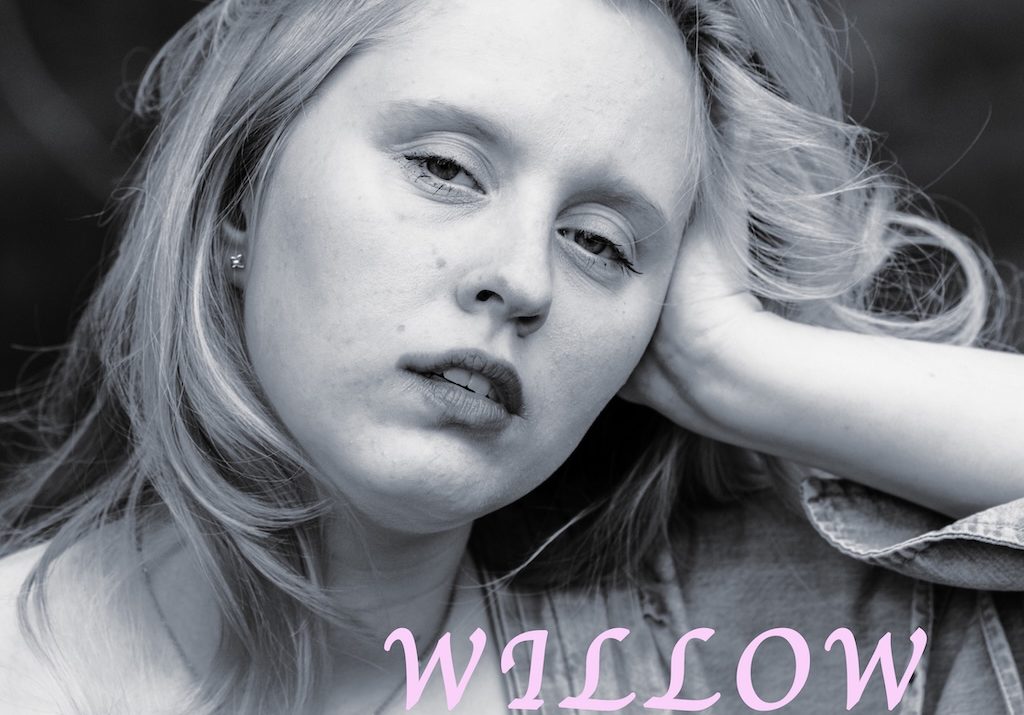

Celeste Marie Wilson arrives on SongWeb like a woman who has lived many lives, carried a few scars, and learned how to turn them into music. Her image suggests the modern Texas singer-songwriter at full strength. But her recently released track, “Willow,” shows that her real gift is deeper than style. She knows how to make a song feel haunted, tender, and brave all at once. Let’s talk about it.
The first lines set the spell at once: ‘I sang to the willows. And they sang back to me.” That opening is beautiful because it feels ancient and immediate at the same time. It reads like a folk tale, but it also feels like a private confession whispered into the dark. From the start, “Willow” is not just a song about a tree or a symbol. It is a song about witness, survival, and the need to be held when the world has gone sharp.
At its heart, the song feels like a plea for protection. “Shield us, sweet willow” becomes more than a chorus. It becomes a cry for shelter, mercy, and a place to stand when safety has disappeared. The repeated line gives the song its pulse, and every return to it feels heavier than the last. The lyrics move from dreamlike images to pain with real force: “They stole her flowers. They took my voice.” That shift is devastating. It suggests loss not just of beauty, but of identity. Not just heartbreak, but silencing. The song’s emotional centre is not passive sadness. It is resistance.
Wilson’s writing is especially strong because she uses nature as a mirror for human hurt. The willow becomes soft, but not weak. It bends, remembers, and survives. Even the line “Bare to the bone. I’ll carry you home” has that same hard tenderness. It sounds like a promise made by someone who knows the cost of keeping it. That is what makes the song so affecting: it never hides the bruise beneath the beauty.
Vocally, Celeste Marie Wilson should be a feast. This kind of lyric calls for a voice that can do two things at once: cut cleanly through the pain and still sound warm enough to trust. Her delivery likely works best when it leans into contrast, with a controlled softness in the verses and a fuller, more open power in the chorus. Her soul-pleasing voice added more to the beauty of the song, making sure every listener falls in love with it. The best singers do not just sing a line like “Don’t let me go”; they make the listener feel the hand reaching out behind it. Wilson seems built for that kind of emotional command.
Her approach to performing also contributes to the song’s power. That’s a rare skill. “Willow” needs tension, not loudness. It demands a performer who can let quiet linger between words before stepping back in with a sentence that feels like a confession. In that sense, Wilson’s delivery is more than just imposing. It’s delightfully refined. She sounds like an artist who understands when to lean in, when to back off, and when to let a claim hang in the air long enough to hurt.
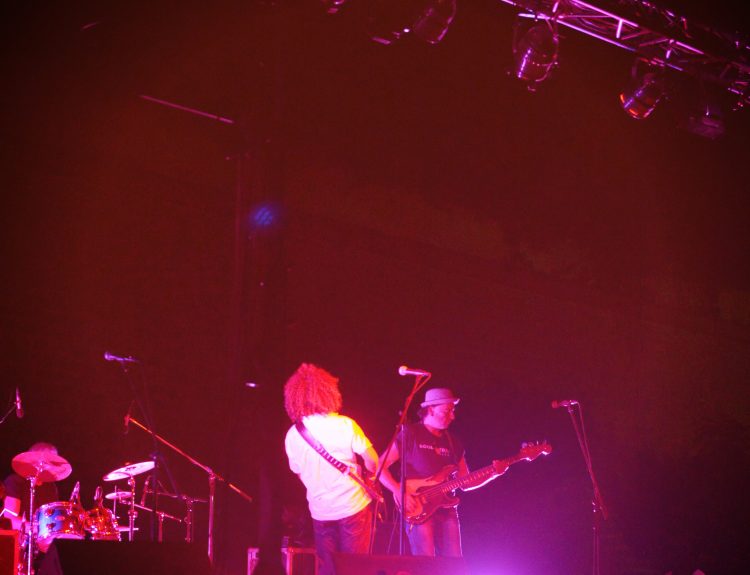
The production and instrumentation deserve a special mention. This is not a place for clutter. “Willow” is spare and grows with purpose: an acoustic guitar carrying the shape of the melody, a low and steady bass grounding the ache, a soft kick adding a heartbeat, and a faint ambient bed that widens the emotional space.
What makes the song special is the way it balances beauty and harm. The moon rises to block out the sun. Flowers are stolen. Voices are taken. Yet the song keeps singing anyway. That is the core of the piece. It refuses to stay broken. Even when it sounds wounded, it still reaches for grace. Even when it sounds like a warning, it still sounds like hope.
Celeste Marie Wilson, as presented here, looks to be the perfect performer for this type of song: a Texas voice with spine, heart, and a storyteller’s eye for detail. She is aware that the finest country and Americana songs are not just entertaining but also insightful. They bleed a bit and carry old facts in new clothes. “Willow” achieves just that. It’s visceral, poetic, and fearless in expressing its own pain. More than that, it’s unforgettable. It does not just beg to be heard. It asks to be felt. And it’s felt.
Listen to “Willow” on Spotify
Follow Celeste Marie Wilson here for more information