
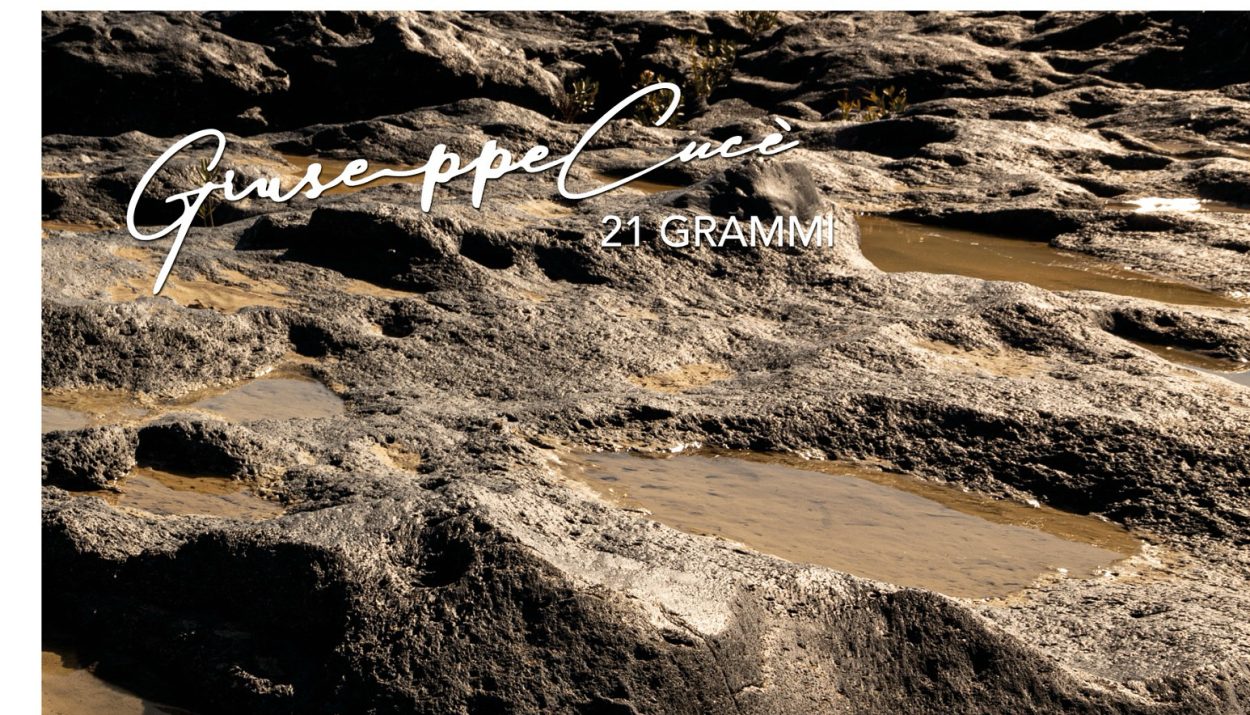

There’s a kind of silence that comes before an honest confession. I mean the kind where the heart clears its throat and decides it’s time to speak. That’s where Giuseppe Cucé lives on “21 grammi,” his debut album released in June last year. From Catania, Italy, Cucé steps into the spotlight as a storyteller, measuring the invisible weight we all carry.
Named after the poetic idea that the soul weighs 21 grams, this album is less about answers and more about emotional truth. Guided by producer Riccardo Samperi and a refined collective of musicians, “21grammi” blends Italian cantautorato tradition with modern indie-pop, cinematic textures, and a distinctly Mediterranean warmth. It’s intimate, reflective, and quietly powerful. For a taste of what the album is about, keep on reading my thoughts.
Opening with a quiet awakening, “È tutto così vero” feels like the moment when denial fades, and reality settles in. Musically restrained, this track sets the tone for the record’s emotional sincerity. Cucé’s vocal delivery is delicate and reflective, inviting us into his inner world with humility.
One of the emotional pillars of the album. “Ventuno” directly references the album’s concept—the invisible weight of the soul. The arrangement builds gently, balancing introspection with emotional release. Giuseppe’s voice carries both fragility and resolve, making this track feel like a confession whispered into the dark.
Next is “Dimmi cosa vuoi,” where longing takes center stage. This song explores emotional uncertainty and unspoken expectations in relationships. Rhythmically more engaging, it introduces subtle pop elements while maintaining lyrical depth. Cucé sounds searching, almost pleading, yet never desperate—a fine emotional balance.
True to its title, “Fragile equilibrio (Fragile Balance)” reflects the tension between control and collapse. The instrumentation mirrors that instability, with layered textures that feel like they could fall apart at any moment. Vocally, Giuseppe is measured and introspective, emphasizing emotional restraint.
A poetic and intimate ode, “La mia dea” leans into romantic idealism. There’s warmth here musically and emotionally. The melody flows smoothly, and Cucé’s delivery softens, revealing tenderness without slipping into cliché. It’s reverent but grounded.
As one of the album’s coldest and haunting moments, “Cuore d’inverno” captures emotional distance, burnout, and isolation, echoing modern struggles with loneliness and disconnection. The production feels sparse and atmospheric, allowing Giuseppe’s voice to carry the emotional chill.
In the seventh track, the album subtly shifts toward desire and compromise as “Tutto quello che vuoi” explores the push and pull of giving too much in pursuit of connection. Musically lighter, it still maintains emotional complexity, showcasing Cucé’s ability to balance accessibility with depth.
Another standout, “Una notte infinita,” is cinematic and emotionally charged. This song captures the feeling of being trapped in a long night of thoughts, memories, and unresolved feelings. Giuseppe’s vocal performance here is controlled, expressive, and deeply immersive.
The closing track, “Di estate non si muore,” feels like quiet redemption. Translating to “In summer, you don’t die,” it carries a sense of rebirth and fragile hope. The warmth returns, sonically and emotionally, offering a gentle resolution rather than a dramatic finale. It’s a perfect closing statement—reflective, human, and open-ended.
Vocally, Cucé delivers with emotional restraint rather than theatrical excess. His voice is warm, slightly grainy, and deeply conversational. The kind that feels like it’s speaking to you, not at you. He knows when to lean into vulnerability and when to pull back, allowing silence and space to do part of the storytelling. Performance-wise, 21grammi thrives on honesty over perfection. There’s no over-singing, no forced drama. Instead, Giuseppe’s delivery mirrors the album’s themes: fragile, searching, and real. His phrasing feels lived-in, especially when navigating heartbreak or self-doubt.
The production is clean but organic and modern without being cold. Acoustic elements blend seamlessly with soft synths, understated beats, and cinematic arrangements. The Italian and Latin flavor isn’t exaggerated; it’s embedded naturally in the melodies, harmonic choices, and emotional pacing. I could feel the southern sun, the late-night reflections, and the echoes of classic Italian songwriting—all reframed through a contemporary lens.
“21 grammi” is not an album designed to impress on first listen—it’s designed to stay with you. Giuseppe Cucé proves himself as a thoughtful songwriter, a restrained yet expressive vocalist, and an artist unafraid of emotional honesty. His blend of Italian lyrical tradition with modern indie-pop sensibilities results in a record that feels timeless, personal, and quietly universal.
Listen to the “21 grammi” album on Spotify
Follow Giuseppe Cucé here for more information