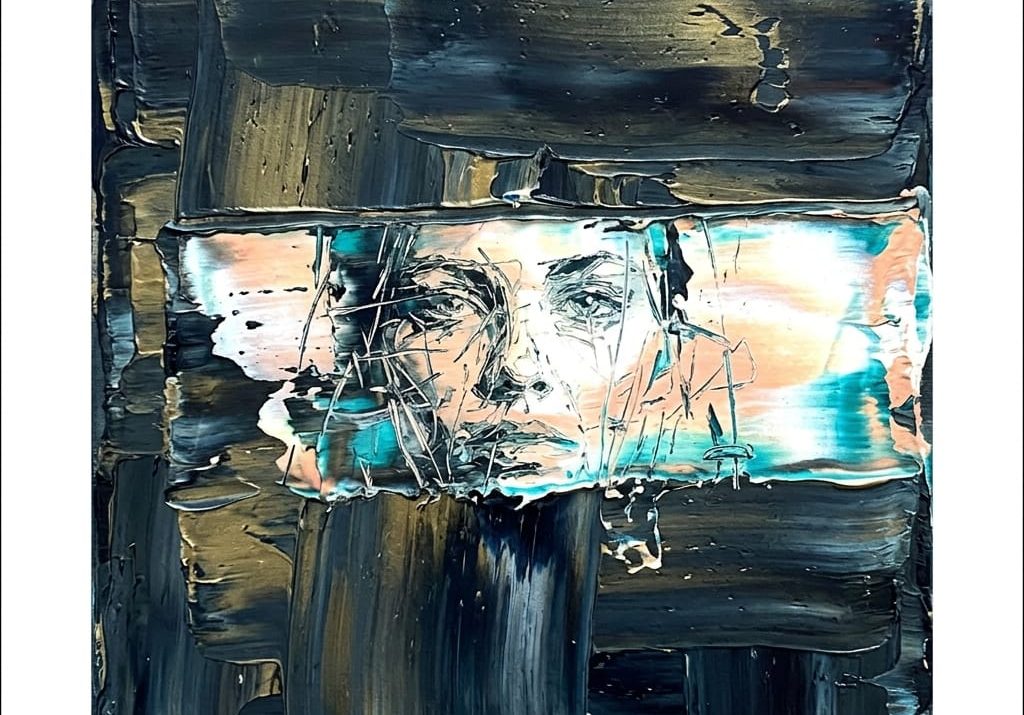

E.L.W.12 arrives quietly, not demanding attention but leaving a lasting impression. Based near Leipzig, this project feels less like a brand and more like an intimate space opened to the world. It captures music created by someone who listens carefully to inner life, pressure, silence, and the strange weight of modern living. This approach gives Scraped Truth a unique honesty. It doesn’t try to impress with shine or trends; it focuses on telling the truth, which makes it distinct.
This album feels like a late-night stroll through a city filled with bright screens and hidden scars. It is electronic music, yes, but it also conveys deep emotions through sound. The record weaves together cold textures, warm low-end power, melodic fragments, and steady rhythms into something profoundly human. It doesn’t rush. It breathes, reflects, and lingers.
The album opens with self-reflection. “Man in the Mirror” feels like the first honest gaze in the mirror after avoiding oneself for a long time. It likely sets the tone for the entire record: reflective, slightly uncomfortable, and deeply personal. The themes are identity, self-judgement, and the distance between who we are and who we want to be. The singer displays her beautiful vocal prowess, setting the stage for what’s to follow while leaving us eager for more.
The next song, “See-Through Skin,” evokes a sense of fragility. The title portrays emotional openness, where nothing remains hidden for long. This track examines exposure, sensitivity, and the discomfort of being too visible in an uncaring world. Musically, it fits airy synths, soft tension, and delicate layers. This song is a standout, delivering a refined song that’s impossible to ignore.
In “What If We Did,” the album shifts to themes of choice, regret, and alternate paths. This song reflects on unfinished decisions and the quiet pain of pondering how life could have unfolded differently. The emotional strength likely comes from restraint rather than drama. Such questions carry weight when the music leaves space for contemplation. One of my favourites on the record, this song invites you to sing along. The arrangement nicely creates a warm sonic embrace that enhances the song’s message.
“Ghost Mode” is one of the most compelling ideas on the tracklist. It addresses disconnection, emotional withdrawal, and the sensation of fading into the background while still alive inside. The theme resonates with modern burnout. In sound, the track may be built on distance, echo, and the experience of moving through the world without fully engaging.
The fifth track, “Halfway to Anger,” captures the moment just before emotion erupts. It isn’t full rage but rather the pressure building beneath the surface. The song likely explores the anger that increases when people keep swallowing too much for too long. This adds tension to the album’s emotional journey.
“Who are you really?” poses a direct challenge. It questions masks, roles, and the narratives people create about themselves. The theme extends to the self as well. In an overstimulated world, this question becomes more profound: are we living genuinely or merely performing survival?
Next, “Graveyard of Morality” stands out as one of the album’s boldest titles. It suggests a reflection on values that society has buried, ignored, or eroded. The track likely explores ethical decay, numbness, and the loss of moral clarity. This adds a darker social edge and indicates that E.L.W.12 is unafraid to confront uncomfortable truths.
Arriving at “And What Part of This is Me,” we encounter a deeply personal and introspective song. It questions where the boundary lies between the self and external damage. This makes it one of the most human enquiries on the album. The themes involve responsibility, confusion, and identity under pressure. It likely adds emotional depth through vulnerability, not force.
“This Is Not Love” strikes as a powerful emotional statement. It feels like a correction, as if someone finally articulates what a relationship truly is. The track appears to question false intimacy, unhealthy attachment, and the way people often confuse need with love. It likely represents one of the album’s most direct, painful moments.
“The Final Whistle,” the album’s tenth track, conveys an ending, a closure, or the end of a struggle. It may express emotional exhaustion or the moment when a chapter concludes. As part of the album, it likely serves as a turning point, moving from conflict toward acceptance.
“I want you” seems simple on the surface, yet that simplicity holds power. Desire, need, longing, and human connection are all woven into those three words. The song likely brings warmth into the album, but not without tension. It may express a yearning for connection that feels urgent and genuine.
“Fighter in a Cap” shines as the album’s most emotional moment, and that feels fitting. It sounds personal, specific, and profoundly human. The imagery is almost cinematic: a small figure carrying a heavy history, a quiet fighter without grand gestures. The song likely embodies the heart of the album, showcasing strength born from pain, care, and survival.
This track, “Almost Something,” occupies the space between hope and loss. It carries what nearly happened, what almost worked, what nearly became real. That feeling of “almost” is one of the hardest emotions to bear, and this song likely gives that feeling a voice. It expresses soft heartbreak rather than loud despair.
“Minor League Gods” is sharp, clever, and slightly bitter. It implies minor powers, false authority, and the way people often act bigger than they are. The track likely contains social criticism, perhaps even satire. It aligns with the album’s exploration of flawed systems and human vanity. The title itself feels like a warning against inflated egos.
As an alternate name connected to “This Is Not Love,” “Fading Signal” closes the album with a powerful image. A fading signal suggests distance, breakdown, weak connections, and the fear of losing touch. It feels like the record’s final emotional message: in a noisy world, even genuine feelings can begin to disappear unless we strive to keep them alive.
Musically, the production stands out as one of the album’s greatest strengths. It maintains a careful balance between icy electronic surfaces and warm low-end power, and that contrast defines the whole record. The cold textures symbolise isolation, pressure, and modern overload. The warmer bass and deeper tones reintroduce the human element, providing comfort amidst the tension.
The instrumentation features melodic synth lines, textured pads, deep bass, and dynamic percussion. What matters most is how these elements work together. Nothing seems random. Every sound appears to serve the mood. The production intentionally preserves visible flaws, adding to the album’s honesty. The space in the mix also matters. It provides songs with room to think, breathe, and feel a bit of pain.
“Scraped Truth” is a courageous and insightful album. It does not aim for perfection; it seeks truth. That choice imbues it with strength. Through themes of self-doubt, emotional strain, moral confusion, longing, and survival, the record creates a clear picture of life in a world that often feels both too loud and too flat. E.L.W.12 deserves recognition for crafting modern and deeply personal music. This isn’t just a collection of tracks; it is a statement of purpose. It transports that warmth can still exist within cold sounds and that truth can thrive in art without needing to shout.
Listen to the “Scraped Truth” album on Spotify.
Follow E.L.W.12 here for more information.