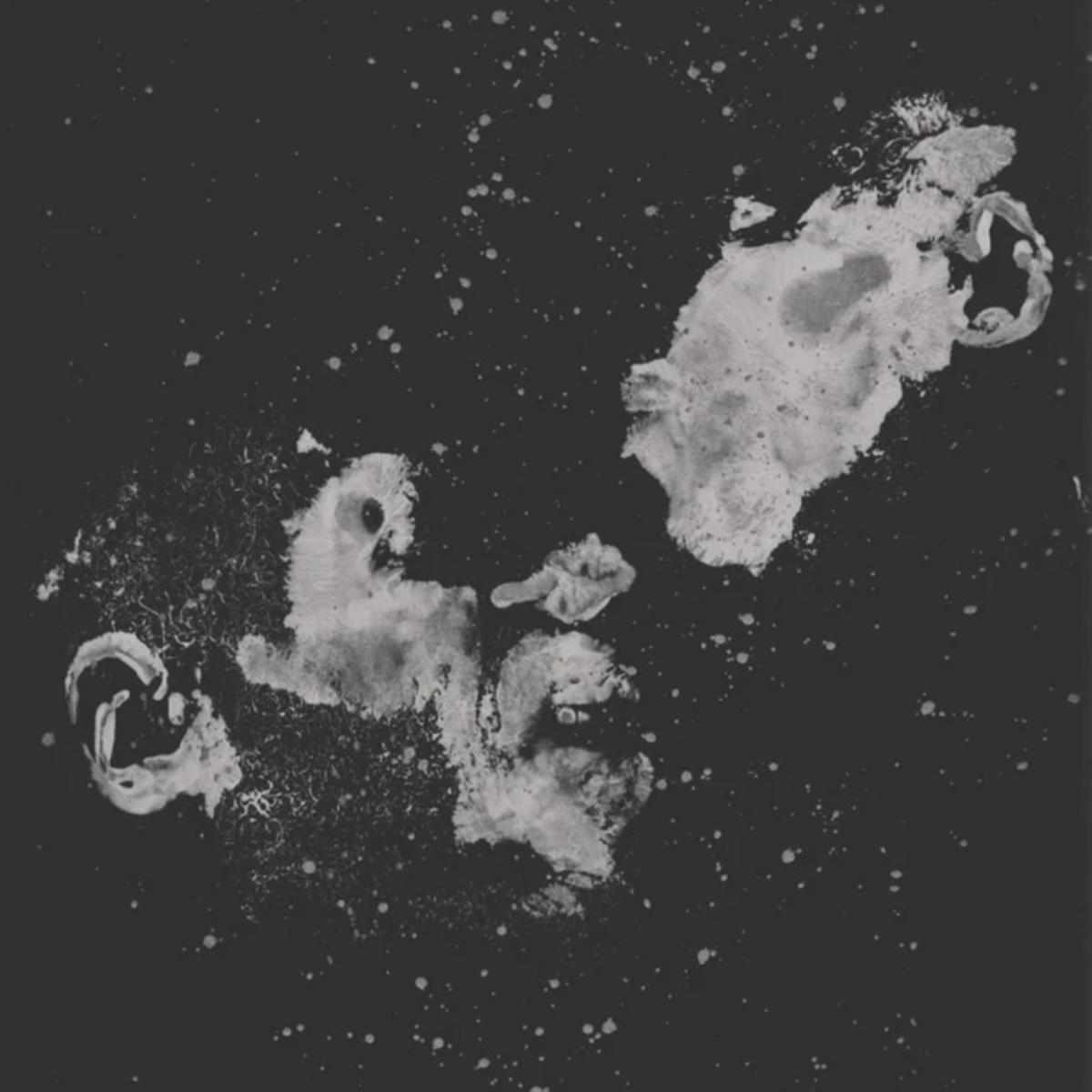


Hi there, welcome to SongWeb. Today, we’re sharing something personal and cinematic. If you enjoy storytelling albums rather than just collecting songs, you’ve just discovered a hidden gem. Named Ghost of Panama, they’re the London duo of Keith Welham and Cristabel Liu who create music with patience, purpose, and emotion. They take risks, blending thoughtful songwriting with bold production to create music that lives on after the final note fades. Their debut album, ‘The Last Food on Earth,’ shows that sometimes the quietest voices tell the powerful stories.
Released on 27 April this year, ‘The Last Food on Earth’ follows the complete life of a relationship. It starts with emotional captivity, moves through guilt, doubt, acceptance, heartbreak, and healing, and finally reaches hope. Rather than sharing a simple love story, the duo explores the emotions many people experience but often struggle to explain.
“The Lift” opens the album with feelings of movement and unease. It sounds like the start of an emotional descent or the moment before facing a hard truth. The theme feels like being carried somewhere you did not fully choose. The vocals sound careful and alert, setting the album’s tone with a controlled delivery that hints at trouble beneath the surface.
“Stockholm Syndrome Reversed” is one of the clearest signals of the album’s mindset. The title suggests a shift in power, a refusal to stay trapped, and a view of love that can confuse as much as comfort. The track carries this idea with sharp lines and a restless pulse. The performance feels crucial here because the song needs conviction, not just style. Ghost of Panama seems ready for that challenge.
“Half-Life” displays the album’s boldest production idea. Replacing traditional drums with breathing and a Geiger counter is daring and gives the song a nervous, almost radioactive energy. The theme suggests slow change, decay, and the strange life of something that continues even while breaking apart. Here, the album’s production becomes part of the meaning. The instrumentation does not just support the emotion; it is the emotion.
“Damage” lays the emotional cost bare. It’s a song about what remains after arguments, silence, and damage have been done. This track is one of the more direct ones, which helps the album breathe. In a project filled with abstract thoughts and broad imagery, a song like this offers listeners a clear place to stand. The vocals convey weight without exaggerating the hurt. That control makes the pain feel more real.
Halfway into the album, “The Ultimate Maybe” captures indecision in a very human way. The title says a lot: not yes, not no, but the exhausting space in between. This track embraces hesitation, emotional drift, and the fear of choosing wrong. It relies on phrasing and tone, where a vocal line can express doubt better than words ever could. Ghost of Panama seems built for this close emotional delivery.
“Ghost of Your Perfume” may sound like one of the album’s more accessible songs, but not in a shallow way. The idea of a scent becoming a ghost is powerful. It evokes memory, absence, and how love stays in small details. This track contains one of the album’s strongest melodic hooks, making the feeling easy to carry even while the words stay haunted. The performance feels softer, almost tender, which intensifies the memory.
Moving on, “Island” evokes isolation, retreat, or the strange safety of being cut off from the world. It also highlights how people create emotional islands in relationships, places to hide and survive. This song expands the record, allowing for some air after the tighter, more painful earlier tracks. That space matters. It helps the album feel large, not just intense.
“Siberia” sounds wide, cold, and almost cinematic. This is the song where the album steps into a broader landscape. The theme touches on emotional distance, frozen feelings, or the long stretch of being unable to connect. It is one of the most sweeping songs on the record, and that scale deepens the album. The band’s ability to balance a broad sound with personal feeling, to me, is one of their greatest strengths.
“Afterlife” shifts the story toward what comes next. It suggests the end of one state and the start of another, but it doesn’t have to mean peace. It reflects on what remains after love has changed beyond recognition. This track carries a sense of reflection, perhaps even relief mixed with sadness. A mature vocal performance would suit it well, as this part of the album values experience over drama.
Lastly, “North Star” purposefully closes the album. It builds toward a climax and leaves you with hope after so much darkness, giving the record its final shape. A closing song like this does a tough job. It gathers the album’s pain, confusion, and memories, then transforms them into something that feels earned. Ghost of Panama understands that resolution shouldn’t erase struggle; it should grow out of it. That is why the ending matters.
Speaking of vocals, delivery, and performance, Keith Welham and Cristabel Liu do not rely on tricks to impress. Their strength lies in honesty. Every performance is natural, expressive, and emotionally believable. They know when to sing softly, when to let silence speak, and when to let emotion rise naturally. Their voices complement each other beautifully, creating a partnership that serves the songs rather than competing for attention.
Recorded mostly in a small project studio in West London, “The Last Food on Earth” sounds impressively rich. Ghost of Panama proves that creativity is more important than expensive equipment. The production is clean, detailed, and full of subtle surprises. The use of found sounds throughout the album gives it a unique identity. The breathing and Geiger counter in Half-Life show the duo’s willingness to think beyond traditional instruments. Songs like Siberia and North Star prove their ability to create expansive musical landscapes. Every instrument supports the story without distracting from it. The album balances modern pop melodies with artistic ambition, making it approachable for casual listeners while offering deeper layers for those who appreciate careful listening.
“The Last Food on Earth” is an impressive debut that succeeds because it doesn’t try too hard to prove its significance. Instead, it tells a deeply human story with honesty, intelligence, and heart. Every song has a purpose, every production choice supports the narrative, and every performance feels genuine. Ghost of Panama has introduced themselves as artists who value storytelling just as much as melody. They have crafted an album that grows on you with each listen, revealing new emotional details every time. If you’re looking for thoughtful, moving, and beautifully crafted music, this album deserves a spot on your playlist.
Listen to “The Last Food on Earth” album on Spotify
Follow Ghost of Panama here for more information