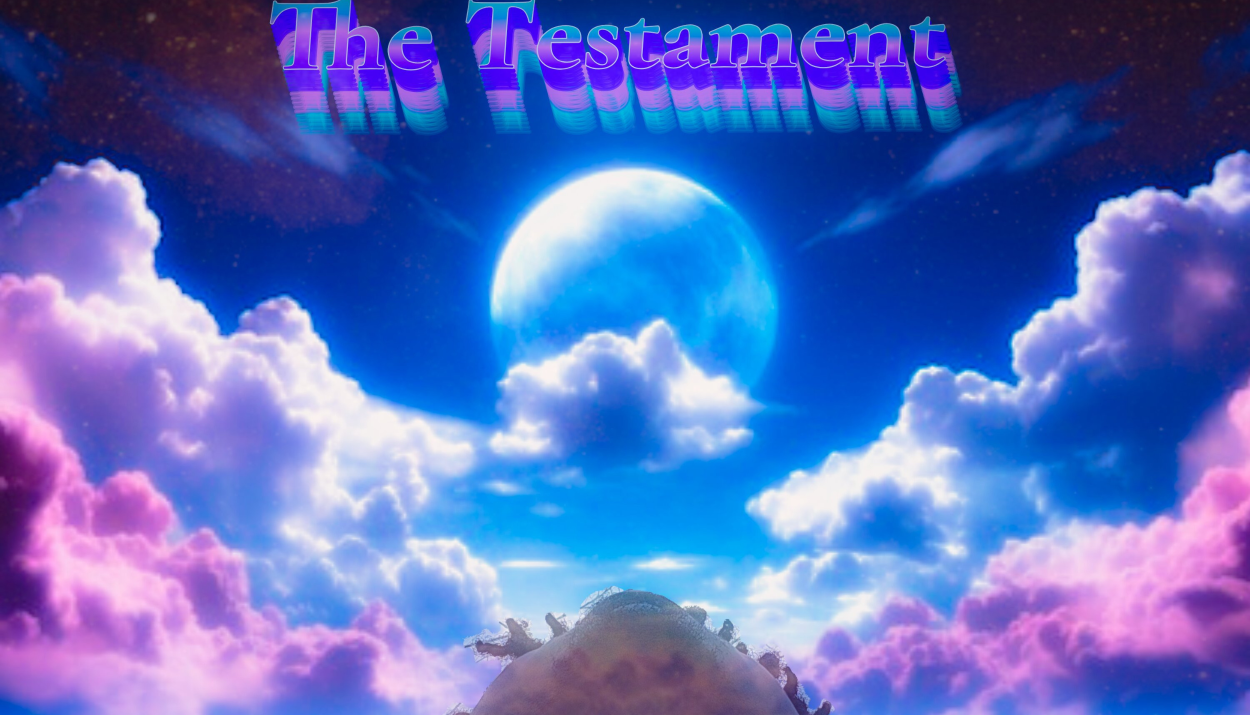

Carson isn’t the first place people look when finding the next voice in hip-hop, but MOZS is changing that. With quiet confidence and a storyteller’s instinct, he doesn’t just introduce himself on “The Testament”; he shares his journey. Guided by his cousin DKAY and inspired by DJThriller’s textured beats, MOZS creates an intimate and expansive world. There’s a rawness in his approach—recorded, mixed, and mastered in his room that humanises the project. What you hear isn’t perfection; it’s pursuit, and that makes it exciting.
Listening from start to finish feels like going through a personal journal written in ink that hasn’t dried yet. MOZS’s voice is reflective and leans toward a conversational style rather than an aggressive delivery. This control becomes his strength. He doesn’t force emotion; he lets it unfold, and that patience gives the album lasting impact.
The opening track, “The Testament”, sets the tone with its confessional energy. MOZS introduces his philosophy, balancing ambition with vulnerability as if he’s speaking directly to his future self. His flow is steady, almost meditative, which lets the lyrics stand out. The production is minimal yet effective, giving space for his voice to shine. It feels like the opening page of a story that commands attention.
“Rainfall” oozes introspection, using weather to symbolise emotional weight and renewal. Srikar Chunduri adds a melodic layer that softens the track’s edges and enhances its reflective mood. MOZS changes his flow here, becoming more fluid and rhythmic, which blends perfectly with the instrumental. The beat creates an atmospheric feel, with subtle textures that echo falling rain. It’s a track that stays quietly instead of demanding repeated listens.
“Let’s Go” offers an energy spike, a motivational boost that contrasts with the previous introspection. MOZS sounds more assertive, riding the beat with sharper delivery and a tighter rhythm. The production features punchy drums and a driving rhythm. Lyrically, it’s about momentum: getting up, moving forward, and refusing to stay stagnant. It feels like a turning point in the album’s emotional journey.
In “Stories of My Life,” MOZS dives fully into storytelling, unpacking personal memories with clarity and purpose. His voice conveys a calm reflection, making each line feel intentional. The beat is stripped back and nostalgic, supporting the narrative rather than competing with it. There’s a sense of honesty that stands out; nothing feels exaggerated. It’s one of the album’s most grounded moments for me.
“Better Change,” featuring DJ Thriller, explores transformation and the urgency of self-improvement. DJThriller’s presence is evident in the more layered, rhythm-driven production. MOZS matches that intensity with a dynamic flow, switching patterns to keep things interesting. The hook reinforces the theme of growth without sounding preachy. It balances motivation with introspection.
“Exodus” feels symbolic, representing a departure from old habits, environments, or even identities. The instrumental has a slightly darker tone that adds weight to the track. MOZS delivers with a deliberate pace, emphasising key phrases for impact. There’s a cinematic quality to the arrangement. It feels like movement. It’s physical, emotional, and spiritual.
When we reach “Time Will Tell” featuring Niserg, patience becomes the central theme, as MOZS reflects on trust in the process. Niserg adds a complementary touch, balancing the track with a melodic sound. The flow is relaxed and conversational, as if he were thinking out loud. The production has a mellow vibe, allowing the message to settle. It’s a calm moment of reflection amid the album’s movement.
“Shirley” presents a more personal and narrative-driven perspective, hinting at a character or relationship. MOZS’s tone softens, revealing a different emotional range. The beat carries a subtle groove, making it one of the more accessible tracks. His delivery feels intimate, like a private conversation. It’s a standout for its emotional nuance.
One of the more playful tracks, “Bumblebee”, brings a lighter energy without losing focus. The production is lively, giving MOZS space to experiment with his flow. He sounds more relaxed here, enjoying the moment rather than reflecting on it. This contrast works well within the album’s structure. It’s a refreshing change of tone.
“Round Here,” featuring DKAY, grounds itself in identity and environment, offering a look into MOZS’s world. DKAY’s contribution enhances their chemistry, making the collaboration feel natural. The beat has a street-level authenticity. MOZS’s delivery is confident, embracing his sense of place. It defines his artistic identity.
In “Numbness”, emotional detachment takes centre stage as MOZS explores the cost of shutting down. His voice is subdued, perfectly reflecting the theme. The production is minimal and haunting, enhancing the mood. There’s a quiet intensity that builds as the track unfolds. It’s one of the heavier emotional moments on the album.
“Trespass” introduces tension, whether internal or external, and feels confrontational. The beat is sharper and more aggressive. MOZS responds with a tighter, more controlled flow, bringing urgency to his delivery. It adds edge to the album’s emotional range.
“She the Man” shifts perspective, possibly exploring strength through a different lens. MOZS approaches it with admiration and curiosity. The production has a confident bounce, matching the theme. His steady flow lets the concept drive the track. It stands out for its narrative angle.
“LOL” adds humour and irony to the album, offering a break from heavier themes. MOZS plays with tone here, sounding relaxed and slightly sarcastic. The beat is catchy, making it one of the more replayable tracks. There’s a subtle critique beneath the surface. It’s light but not empty.
Optimism shines in “Sunlight”, acting as a moment of clarity and hope. The production is warm and uplifting, with a brighter sound. MOZS’s delivery reflects this shift, sounding more open and positive. The lyrics suggest growth and new beginnings. It feels like emotional release.
“Protocol” focuses on structure, discipline, and navigating systems or expectations. The beat is precise and controlled, mirroring the theme. MOZS delivers with a calculated flow, emphasising order and intention. There’s a subtle tension between freedom and structure. It’s a strong concept.
“Place For My Love” softens the album again, focusing on connection and vulnerability. MOZS’s tone becomes sincere, almost searching. The production is smooth and melodic, supporting the emotional direction. His flow slows down, allowing each word to resonate. It’s heartfelt without being overly sentimental.
“Destined” transports a sense of inevitability, reflecting on purpose and the future. MOZS sounds confident, as if he’s starting to believe in his narrative. The beat builds slowly, enhancing the sense of progression. His delivery grows more assured. It feels like a quiet triumph.
“Your Hand”, featuring DKAY and DJThriller, represents a unified collaboration, bringing multiple voices together. The theme revolves around support, trust, and connection. The production is layered yet balanced, letting each voice shine. MOZS holds his ground while sharing the spotlight effectively. It’s one of the album’s most complete tracks.
Closing the album, “Price of Pain” reflects on sacrifice and the cost of growth. MOZS delivers with emotional weight, bringing the journey full circle. The production feels reflective, echoing earlier themes. His flow is steady, grounded in experience. It’s a fitting conclusion that leaves a lasting impression.
“The Testament” doesn’t aim to be louder than everything else; it aims to be real, and that’s where it succeeds. MOZS may still be forming his identity, but the foundation is solid: thoughtful writing, controlled delivery, and a clear sense of direction. The production, rooted in a bedroom sound, shows surprising depth and cohesion, thanks to DKAY and DJThriller’s contributions.
What stayed with me most wasn’t a single track—it was the feeling of witnessing an artist build himself in real time. This isn’t just a debut; it’s a record of growth, risk, and belief. MOZS isn’t arriving fully formed—and that’s precisely why you should pay attention now.
Listen to “The Testament” album on Spotify
Follow MOZS here for more information