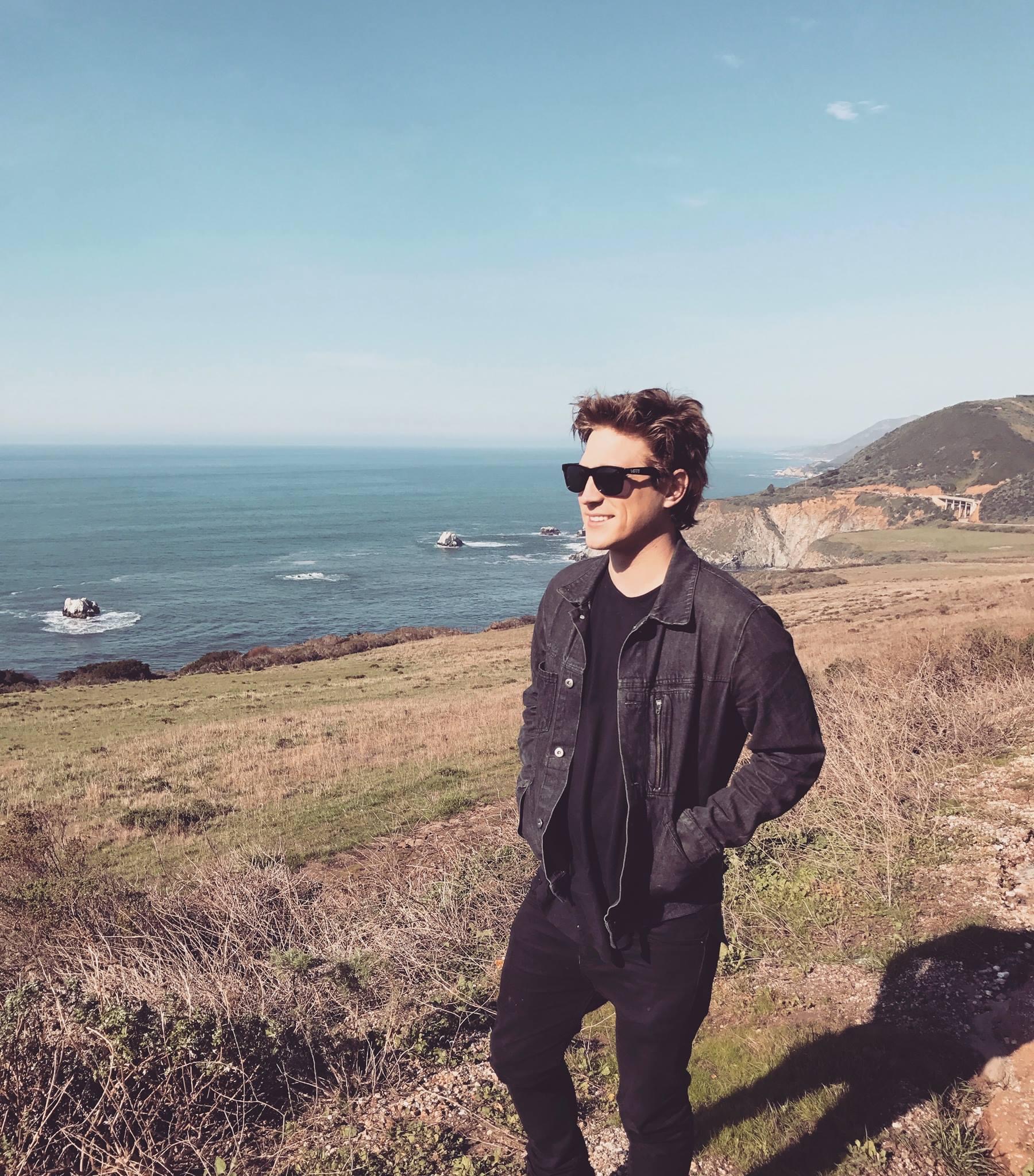

Wendy DuMond has arrived like an old spirit we didn’t know we were missing. A singer-songwriter and producer shaped by the wide silences of Montana, the open heartland of Oklahoma, and the humid emotional terrain of the American South, DuMond has spent years refining a deeply personal and quietly mythic voice. Whether performing under her name, as the spellbinding Bogwitch, or as part of the Americana-rooted Blackfoot Daisy, she has carved out a space where folk tradition meets emotional risk. With “Dream Birds,” she invites us fully into that space and closes the door behind us.
The song immediately captures your attention with a number of elements, including a soothing melody that is easy to hum along to and a gripping beat. Wendy DuMond has a lovely voice. Her voice becomes unique without being fragile, and it stalks without being showy. Her delivery has a natural shake that comes off as human rather than fragile. Her performance breathes, and every word is purposeful but never overdone. Her controlled delivery is captivating. She doesn’t push emotion forward; she lets it rise naturally, resulting in a timeless vocal performance unmoored from era to trend. This is the type of singing that wins attention rather than demanding it.
“Dream Birds” is a folk lullaby, but not the kind meant only to soothe. It belongs to the lineage of Joanna Newsom and the early freak-folk movement, where sweetness and unease coexist, and where innocence is never far from revelation. Its theme circles around longing, identity, and that fragile border between safety and surrender. The song feels like a meditation on what we carry into sleep: unspoken fears, inherited stories, and the soft rebellions we’re too tired to name in daylight. DuMond doesn’t explain the dream; she trusts it. The imagery is clear yet open, allowing you to step inside and find your meanings. This is folk storytelling at its most effective. It’s suggestive rather than declarative.
The production of “Dream Birds” is as important to its impact as the songwriting itself. Built on ukulele, soft vocals, and a warm, understated synth pad, the instrumentation remains firmly in the folk world with subtle textures to deepen the atmosphere. The ukulele provides a childlike, circular rhythm, grounding the song in lullaby tradition, while the synth hums like a distant memory or a half-lit horizon.
Importantly, the recording embraces imperfection. You can feel the room. There’s air between the notes, small fluctuations in timing, and the sense of a real person performing in a real space. This is not a polished artifact; it’s a chosen rawness. The production resists sterility in favor of presence, reminding us that folk music has always been about the human hand, the human breath, and the human moment.
“Dream Birds” is not a song that rushes to impress. It drifts, watches, and lingers. It invites repeated listening, not because it hides secrets, but because it changes as you do. Wendy DuMond doesn’t simply release music—she opens a threshold. For listeners drawn to folk music that honors tradition while daring to feel strange, intimate, and quietly rebellious, her arrival is not just welcome. It’s necessary.
Listen to “Dream Birds” on Spotify
Follow Wendy DuMond here for more information